Emotional Baggage: A Whimsical Font for Creative Brands
There I was, staring at a blank brand board, trying to figure out how to give this new café identity a personality that felt both approachable and a little bit quirky. The client wanted something that stood out but wasn’t too over the top. That’s when I reached for Emotional Baggage. It wasn’t the first font I tried, but it quickly became the one that made me smile.
A Playful Personality in Type
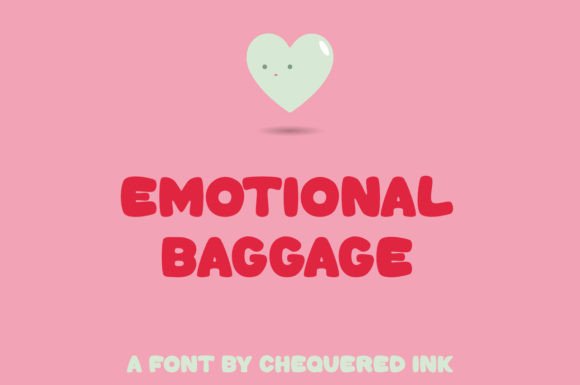
Emotional Baggage is exactly what it sounds like—a font with a distinct personality. It’s not subtle, but that’s part of its charm. The letterforms have a hand-drawn feel, with slight irregularities that make them feel more human than mechanical. There’s a softness to the curves and a bouncy energy in the strokes that gives it a sense of whimsy. It’s the kind of font that makes you want to add a little extra flair to your designs.
When I tested it on a logo concept, it immediately brought a lighthearted tone to the project. It worked well as a headline font, especially when paired with a more neutral sans serif for body text. The contrast helped create visual interest without overwhelming the design.
Testing Emotional Baggage in Real Projects
I used Emotional Baggage on a packaging mockup for a small skincare line. The font added a playful edge that balanced the clean, modern aesthetic of the rest of the design. On a product label, it caught the eye without being distracting. It was perfect for short phrases like “Self-Care Sundays” or “Glow Up,” where the message needed to be clear but also fun.
On a business card, it looked great in a bold weight, but I noticed that in smaller sizes, some of the details got lost. That’s something to keep in mind if you’re planning to use it for anything that requires fine print, like legal disclaimers or small captions.
Where Emotional Baggage Shines
This font excels in display and headline applications. It’s ideal for logos, social media graphics, and website headers where it can command attention. It works well in editorial design, especially for pieces that aim to evoke emotion or tell a story. I found it particularly effective in Instagram posts and promotional banners, where its personality could shine through.
For web design, Emotional Baggage can be a strong choice for hero sections or call-to-action buttons. It adds a unique touch that differentiates a site from others using more standard fonts. However, I’d recommend using it sparingly on websites, as too much of it can become visually jarring.
Pairing and Practical Considerations
When pairing Emotional Baggage with other fonts, it’s best to go with something simple and clean. A serif or sans serif font can provide a nice contrast while keeping the overall look cohesive. I found that pairing it with a modern sans serif like Montserrat or Lato created a balanced and professional look.
It’s also worth noting that Emotional Baggage includes multiple weights and styles, which can be useful for creating visual hierarchy. The font comes in various formats, including OTF and TTF, and is available as a webfont, making it versatile for different design needs.
Before using Emotional Baggage in client work, I always test it across different mediums—print, digital, and signage. It looks great on a shop sign, where its boldness can be fully appreciated. But on a printed card, I found that using it in a lighter weight helped maintain readability without sacrificing style.
When Not to Use Emotional Baggage
While Emotional Baggage is a fun and expressive font, it’s not suitable for every project. In formal corporate environments, it might come off as unprofessional. It’s also not ideal for long blocks of text, as the irregular shapes can make reading more challenging.
If you’re working on a branding project that requires a high level of consistency and clarity, Emotional Baggage may not be the best fit. However, for brands that want to inject some personality and humor into their visuals, it’s an excellent choice.
As with any commercial font, it’s important to check the licensing before using it in client projects. Make sure you understand the terms for web use, print, and digital products to avoid any legal issues down the line.